DFM and Process Route
Drawing review identifies critical dimensions, draft or forming risks, tooling assumptions, inspection methods, and the best route for cast, stamped, forged, or machined parts.
Okuma's service model is built for procurement teams that need more than a catalog. A reliable partner has to translate casting, stamping, forging, CNC machinery, tooling, maintenance, inspection, and distributor response into one operating rhythm. The program starts by reviewing the drawing package and the intended production environment, then it defines the process route, spare part logic, inspection records, service windows, and escalation path before purchase orders begin to move. That early discipline helps buyers compare total cost, not only the line item price.
For multi-site manufacturers, the service package also explains how a proven machining or forming cell can be copied into another plant. Tooling lists, operator notes, calibration references, CMM checkpoints, and distributor responsibilities are documented in plain English so that quality teams can audit the process without chasing tribal knowledge.
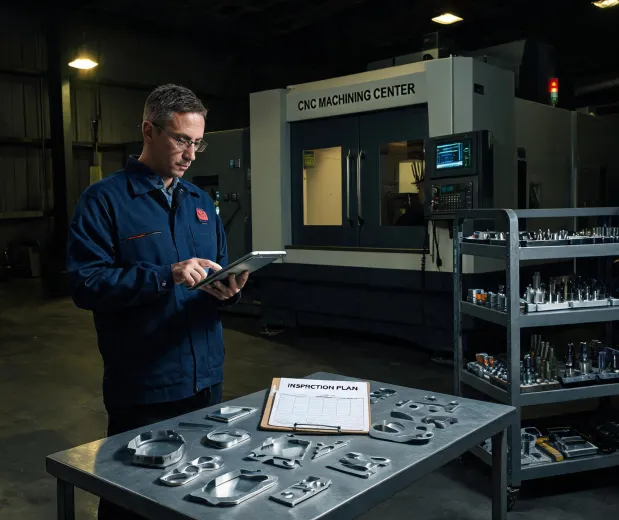
Drawing review identifies critical dimensions, draft or forming risks, tooling assumptions, inspection methods, and the best route for cast, stamped, forged, or machined parts.
Fixture concepts, cutting tools, machine capacity, die maintenance, and service access are checked against the buyer's expected repeat volume.
FAI plans, CMM checks, material certificates, revision logs, and corrective action expectations are assembled before a pilot run becomes routine supply.
Regional service teams coordinate training, spare parts, preventive maintenance, and field response windows so plants are not left alone after installation.
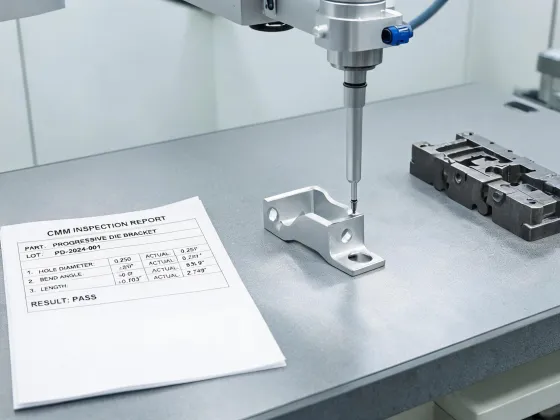
An automotive supplier needed repeat brackets across two plants, but each facility had a different maintenance habit. Okuma mapped the die service interval, fixture replacement criteria, and inspection plan into one shared record. The buyer could then compare output by revision, lot, and tool condition instead of relying on verbal updates. This reduced launch friction and gave the quality team a stable evidence trail for future sourcing reviews.
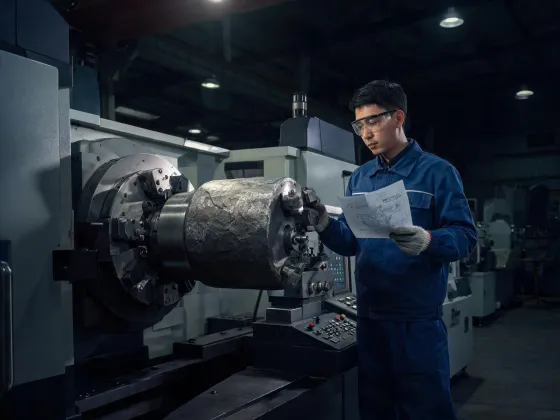
A heavy equipment customer wanted one supplier view for forging, rough machining, heat treatment, and final machining. The service plan separated risks by operation, attached inspection evidence to the right step, and defined when distributor support should be called. The result was a route that purchasing could quote, engineering could defend, and operations could repeat without rebuilding the process from memory.
Send the part family, plant location, target annual usage, and inspection requirements. Okuma will outline the service and distributor path for a repeatable production model.